

oval led bathroom mirror
A Buyer’s Field Notes on Precision Pin Gauges in 2025 If you’re scanning the market for pin gauges for sale , you probably already know the basics: these little workhorses are the fastest way to verify hole size with repeatable certainty. But the gap between “good enough” and production-grade is wider than it looks. I’ve toured a few gauge rooms lately and, to be honest, what separates a reliable set is the grind, the heat treat, and whether the calibration paperwork actually means something in an audit. What’s moving the market Two trends: smaller diameters and tighter tolerances. Medical device, fuel systems, and precision nozzles are driving sub-1 mm checks with ±1 µm aspirations. Also, buyers want traceability without fuss—QR-coded certificates and ISO/IEC 17025 calibration from the get-go. It seems that even job shops now expect lab-grade documentation. Product snapshot: Pin Gauge (0–10 mm) Origin: No.17, Building 11, Hardware Building Material City, Botou, Cangzhou, Hebei, China. Pin-type plug gauges for measuring small round-hole IDs with high precision. Typical sets in 0.01 mm or 0.005 mm steps. Parameter Spec (≈, real-world may vary) Diameter range 0.20–10.00 mm (custom to 0.05 mm below 0.20 mm) Tolerance grades Class X ≈ ±1.0 µm; Class Y ≈ ±1.5 µm; Class Z ≈ ±2.5 µm Material & hardness GCr15 / AISI 52100, HRC 60 ±2; optional carbide for abrasive use Finish & roundness Ra ≤ 0.05 µm; roundness ≤ 0.5 µm Length & marking 40–50 mm; laser-etched ID; optional QR linked cert Calibration ISO/IEC 17025 traceable cert available, GR&R-ready Process flow (how good pins are born) Material selection → vacuum heat-treatment → centerless grinding → fine lapping → superfinishing → laser marking → 100% inspection. Verification typically references ISO 1938-1 plain gauge requirements and reports uncertainty from a 17025-accredited lab. A quick batch study I saw: 30 pins at 2.00 mm, Class X, mean deviation +0.3 µm, 2σ ≈ 0.8 µm (air comparator). Service life? With proper oiling and sleeves, many shops report 100k+ insertions before any drift shows up. Where they shine Aerospace bushings and hydraulic orifices Automotive injectors, valve-seat checks, turbo oil galleries Medical hypotubes, surgical guides, and micro-molds General QC, toolroom setups, fixture qualification Many customers say the practical win is speed: no warm-up, no fuss—just Go/No-Go confidence. For CAPA-heavy environments, the audit trail matters just as much. Vendor landscape (my quick comparison) Vendor Typical tolerance Calibration Lead time Customization STR Machinery (Botou, Hebei) Class X–Z (±1.0–2.5 µm) ISO 17025 traceable Around 7–15 days Go/No-Go pairs, carbide, TiN Mitutoyo High precision, global stock Factory cert; 17025 via partners Stock-dependent Limited special builds Vermont Gage Class XX/X/ZZ (inch & metric) Accredited cert options Good U.S. availability Broad catalog Meyer Gage Shop-staple tolerances Cert on request Fast for standard sets Core sizes; customs limited Customization and QA Options include carbide pins for abrasive composites, extended-length for deep bores, matched Go/No-Go pairs, and anti-corrosion coatings. Testing typically includes air-comparator master checks, roundness measurement, and GR&R studies per AIAG MSA. One shop told me they cut scrap 18% after switching to Class X pins and locking in a weekly wipe-down + oil routine. Small habit, big payoff. Buying tips Ask for uncertainty on the cert, not just nominal tolerance. Verify reference to ISO 1938-1 and lab accreditation per ISO/IEC 17025. For harsh use, spec carbide or TiN and plan periodic re-cert (6–12 months). If you’re lining up pin gauges for sale for a medical or aerospace audit trail, don’t skimp on documentation. It’s cheaper than rework—always. References ISO 1938-1: Geometrical Product Specifications — Plain limit gauges ASME B89.1.5: Plug/Limit Gages ISO/IEC 17025: Testing and calibration laboratories AIAG MSA (GR&R) 4th Edition
about
oval led bathroom mirror
The Innovative Role of Plastic Rebar Chair Spacers in Modern Construction In the realm of construction, innovation is a constant driving force that propels the industry forward, enhancing efficiency, durability, and sustainability. One such innovation gaining significant traction is the use of plastic rebar chair spacers, an ingenious alternative to traditional metal or concrete supports for reinforcing bars (rebars) in concrete structures. This article delves into the advantages, applications, and environmental significance of these versatile plastic components, outlining how they are reshaping construction practices worldwide. **Introduction to Plastic Rebar Chair Spacers** Rebar chairs, fundamentally, are devices used to elevate rebars within concrete pours, ensuring proper placement and maintaining the necessary distance from the formwork to prevent contact and subsequent corrosion. Traditionally, these chairs have been fabricated from metal or even makeshift materials like bricks and blocks. However, the advent of plastic rebar chair spacers has introduced a new era of convenience, cost-effectiveness, and environmental consciousness in construction sites. **Enhanced Efficiency and Ease of Use** A primary advantage of plastic rebar chairs lies in their lightweight nature. Unlike their heavier metal counterparts, plastic spacers can be effortlessly handled, reducing labor fatigue and increasing installation speed. Their ergonomic design, often featuring easy-grip surfaces or stackable shapes, further streamlines the process, especially in large-scale projects where thousands of chairs may be required. **Consistency and Precision** Precision is paramount in construction, and plastic rebar chair spacers excel in providing uniform support, ensuring consistent spacing between rebars. This consistency is crucial for maintaining structural integrity and facilitating even load distribution in the finished concrete slab. Pre-measured designs eliminate guesswork, leading to more accurate reinforcement layouts and reduced potential for errors. **Durability and Weather Resistance** Contrary to popular belief, high-density polyethylene (HDPE) and other specialized plastics used in these spacers exhibit remarkable durability and weather resistance. They are impervious to corrosion, rust, and the deteriorating effects of harsh chemicals found in concrete mixes They are impervious to corrosion, rust, and the deteriorating effects of harsh chemicals found in concrete mixes They are impervious to corrosion, rust, and the deteriorating effects of harsh chemicals found in concrete mixes They are impervious to corrosion, rust, and the deteriorating effects of harsh chemicals found in concrete mixes plastic rebar chair spacer . This longevity translates to reduced maintenance costs and extended service life compared to metal spacers prone to corrosion over time. **Environmental Sustainability** The shift towards plastic rebar chair spacers aligns with the global push for sustainable construction practices. Being recyclable, these products contribute to a lower carbon footprint. Additionally, the production of plastic spacers consumes less energy than that of steel or concrete alternatives, further reducing greenhouse gas emissions. By opting for plastic, constructors are actively participating in a circular economy where resources are conserved and waste minimized. **Versatility and Applications** Plastic rebar chair spacers find application across a broad spectrum of construction projects, from residential basements and driveways to commercial buildings and infrastructural developments like bridges and highways. Their adjustable designs accommodate various rebar sizes, making them adaptable to project-specific requirements. Moreover, specialized models exist for unique scenarios, such as chamfered edges for improved concrete flow or extended legs for deeper pours. **Conclusion** The integration of plastic rebar chair spacers in contemporary construction methodologies underscores the industry's commitment to innovation and sustainability. These lightweight, durable, and precision-engineered components not only streamline construction processes but also contribute to more robust, longer-lasting structures. As we continue to seek out greener building solutions, the role of plastic rebar chairs as a small yet impactful change agent cannot be overstated. They represent a significant stride in the ongoing evolution of construction practices, marrying efficiency with environmental responsibility for the benefit of present and future generations.
-

High quality industrial productsagement

High quality industrial products
View Details -

Meet the diverse needs of customers

Meet the diverse needs of customers
View Details -

Strict quality control

Strict quality control
View Details -

Top raw materials

Top raw materials
View Details -

Trusted supplier

Trusted supplier
View Details
Our application


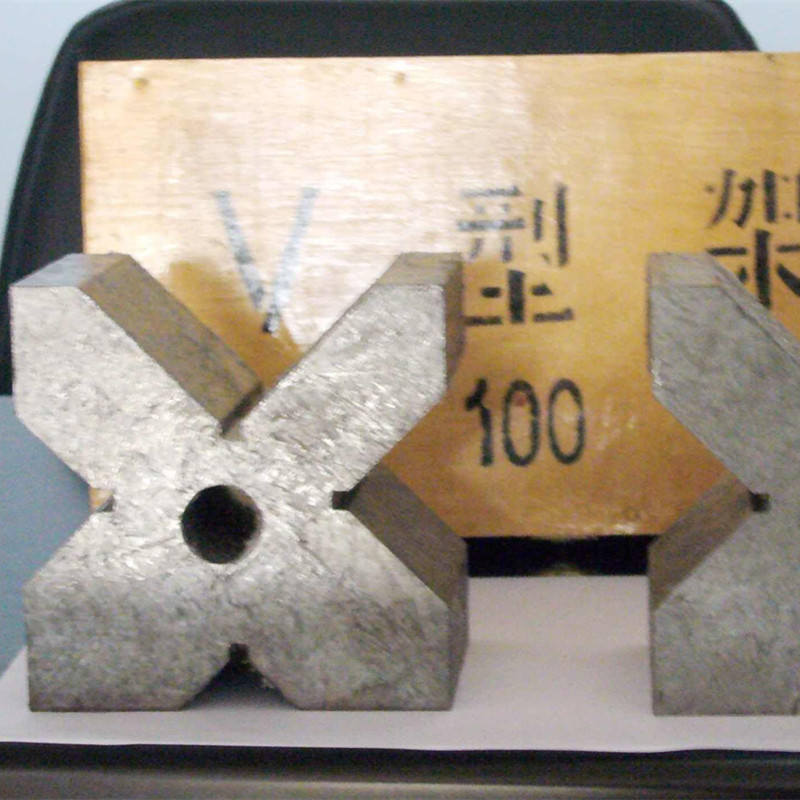
news and information
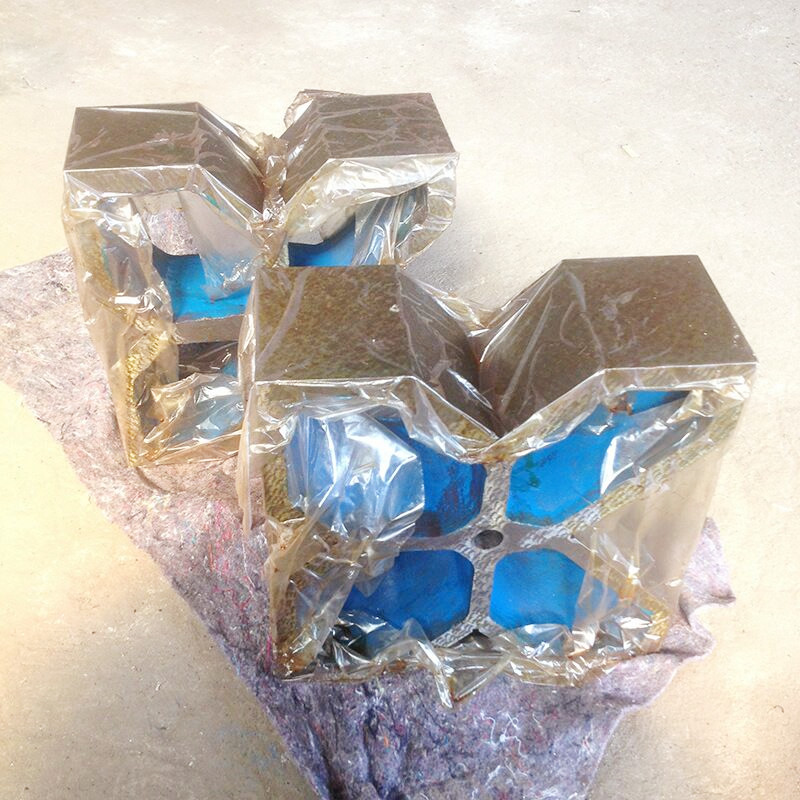
Wholesale Supply for Valves and Fittings Solutions in Industrial Applications
The Dynamics of Valve Wholesale A Comprehensive Overview In the industrial sector, valves play a cru
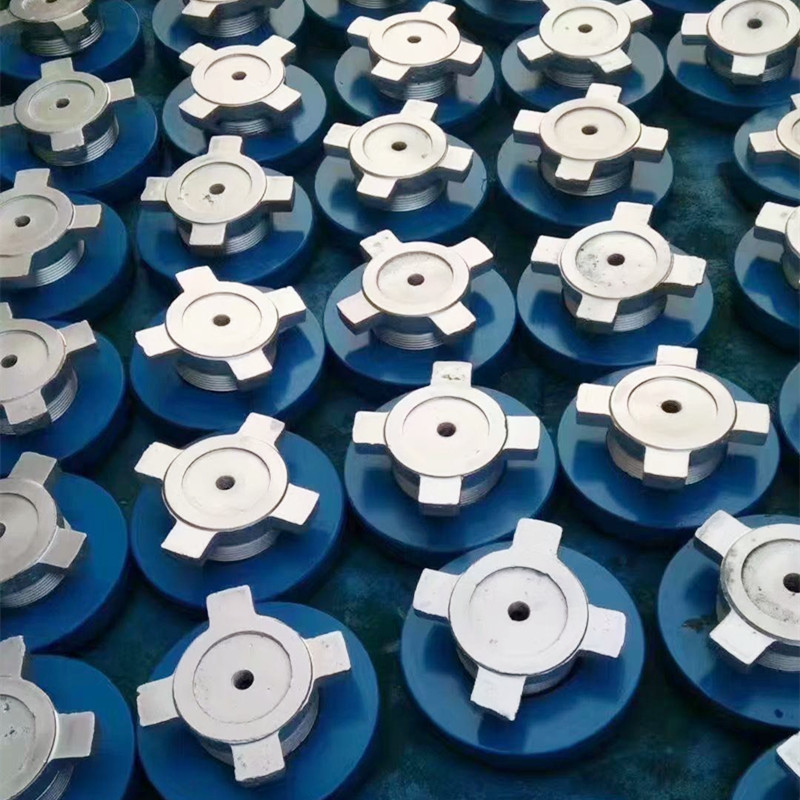
y type strainer filter
Understanding Y Type Strainer Filters Importance and Applications In various industrial processes, t
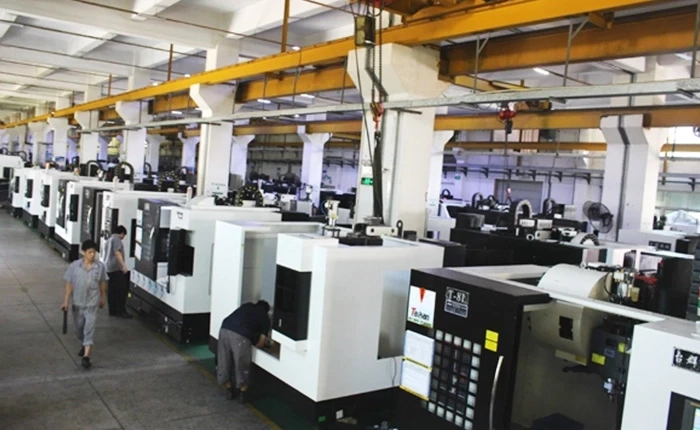
Válvula de mariposa de 1200 mm para aplicaciones industriales y de control de flujo
Válvula de Mariposa de 1200 mm Eficiencia y Aplicaciones en la Industria La válvula de mariposa es u
 English